
 +86-15916242887


News
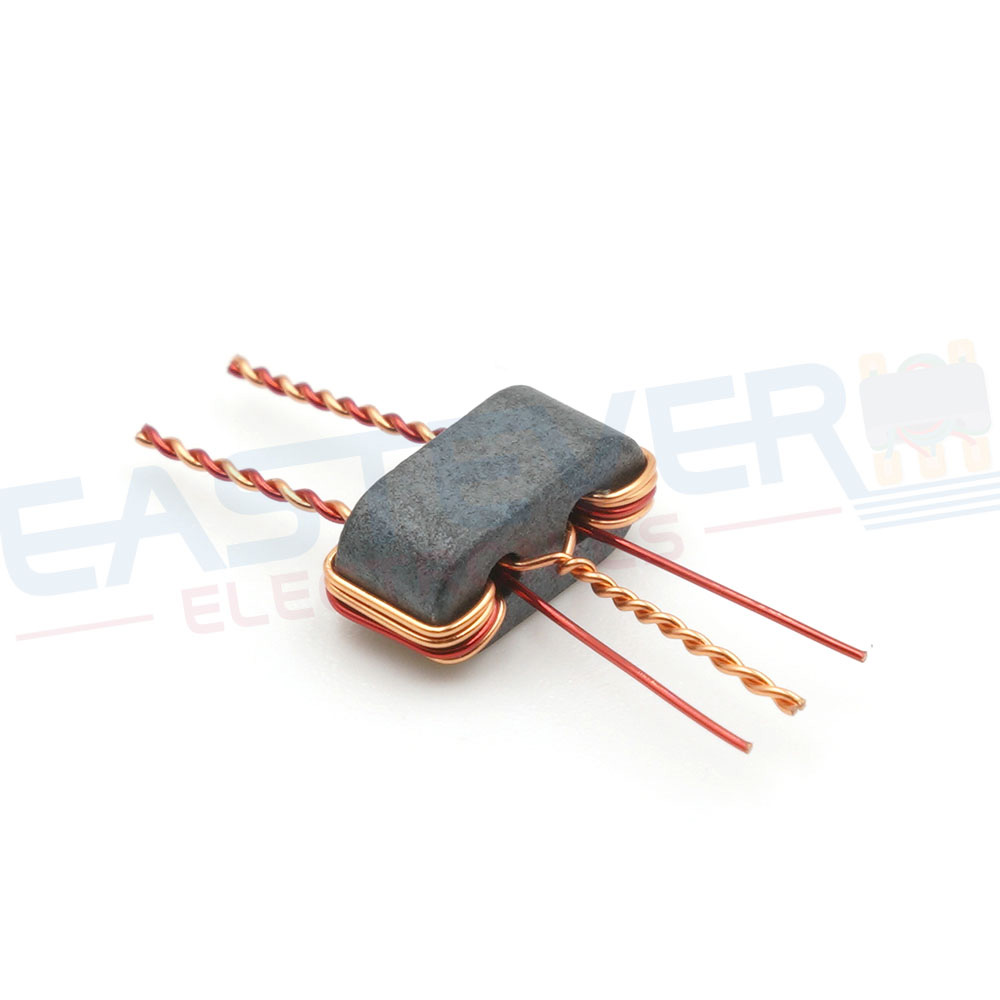
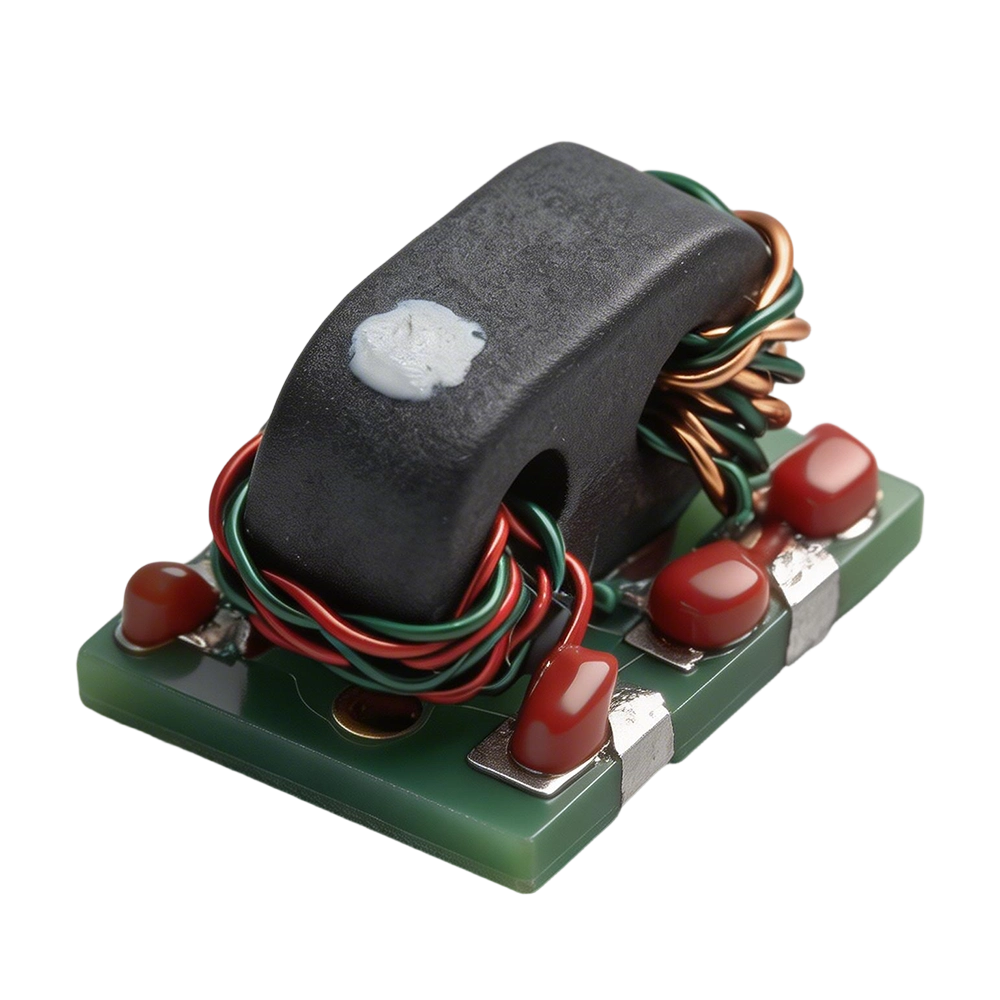
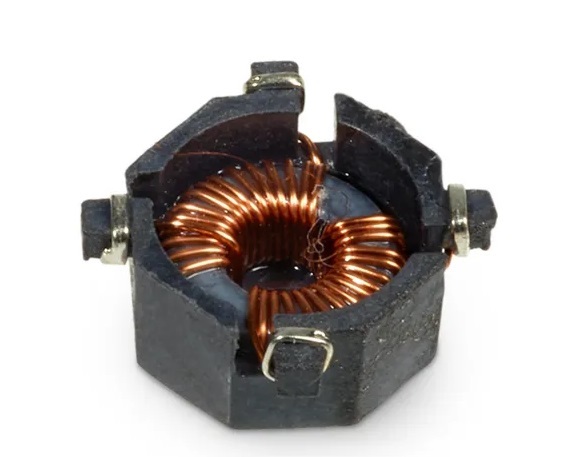
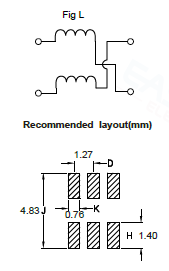
Comparison of LAN Transformer and Chip LAN
2026-03-16
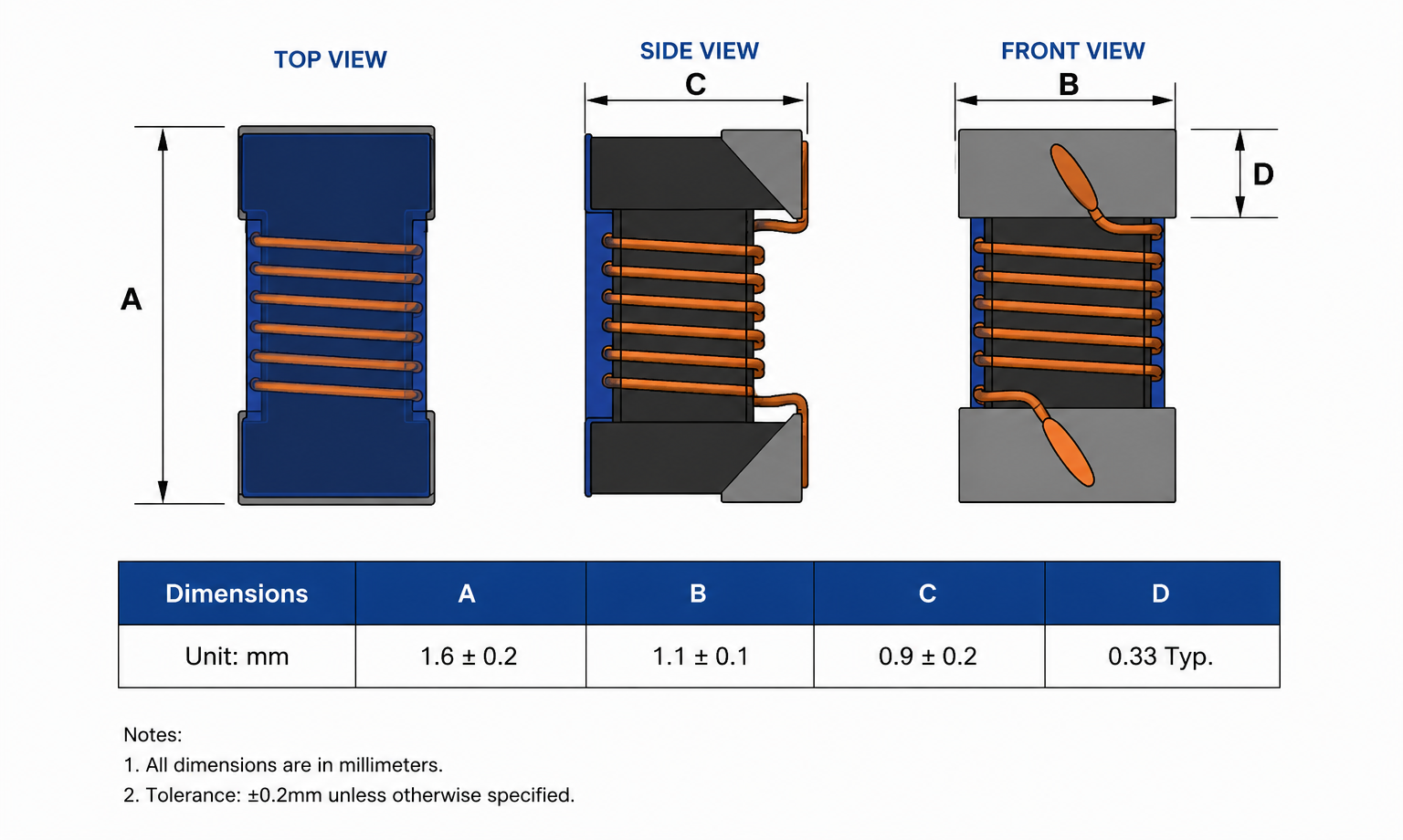
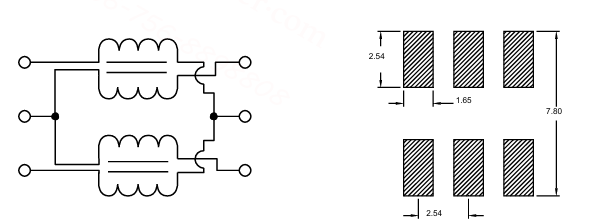
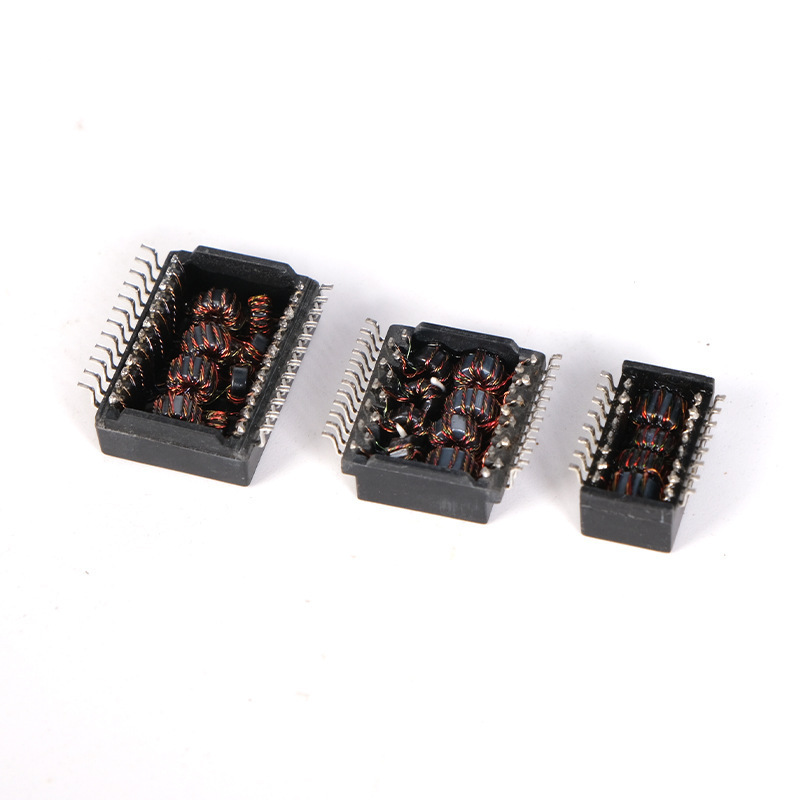
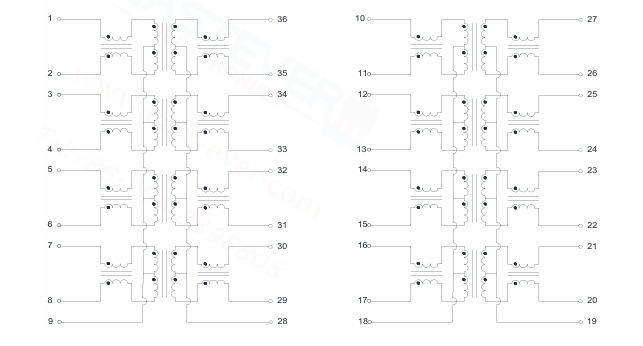
Nowadays, LAN ports have become a standard configuration not only for IT equipment like computers but also for various AV devices such as digital TVs. As a core component of the LAN port, the LAN transformer plays a crucial role in the high-speed transmission of pulse signals. The new split transformer (CHIP LAN) is a specialized solution for typical Ethernet applications. Its innovative design replaces the traditional LAN transformer with an equivalent circuit, where all components are SMD-type and can be manufactured automatically. This not only reduces the product size but also eliminates the complex processes associated with traditional Network Transformers.
Zhuhai Eastever Electronic Co., Ltd. leverages the technological experience accumulated in wound Common Mode Inductor products to develop a new split transformer (CHIP LAN) using a fully automatic winding process, offering customers more supporting options for LAN port devices.
Functional Characteristics Comparison
| Functional Characteristics | Chip LAN | Traditional Lan Transformer
| Notes |
|---|---|---|---|
| Signal Transmission | Capacitor DC isolation (capacitive type); Electromagnetic coupling (inductive type) | Electromagnetic coupling | Capacitive Chip LAN realizes signal transmission through capacitive DC isolation and pulse signal principle; Inductive Chip LAN and traditional Lan Transformer rely on electromagnetic coupling of the main transformer. |
| High Voltage Isolation | Not available (capacitive type); Available (inductive type) | Available | Traditional Lan Transformer achieves isolation through insulated wires and insulating glue in the main transformer winding; Inductive Chip LAN uses insulated wires in the main transformer winding; Capacitive Chip LAN cannot meet this requirement. |
| Impedance Matching | Equivalent circuit of capacitor/common-mode inductor/self-coupling transformer (capacitive type); Transformer coil ratio (inductive type) | Transformer coil ratio | Capacitive Chip LAN adopts a combined equivalent circuit of CAP+CMC+AUTO C"FMR; Inductive Chip LAN and traditional Lan Transformer rely on the primary and secondary winding turns ratio of the main transformer. |
| Noise Suppression | Common-mode inductor/self-coupling transformer | Center tap/ Common Mode Inductor/self-coupling transformer | Capacitive Chip LAN, inductive Chip LAN and traditional Lan Transformer have the same noise suppression principle. |
| POE Support | Not available (capacitive type); Support IEEE802.3af/at/bt (inductive type) | Support IEEE802.3af/at/bt | Inductive Chip LAN has the same POE performance as traditional Lan Transformers, with a maximum power of up to 90W depending on the model; Capacitive Chip LAN is not suitable for POE circuits. |
| Surge Protect | Self-coupled transformer (capacitive type); Transformer + Bob Smith Circuit (inductive type) | Transformer + Bob Smith Circuit | Capacitive Chip LAN uses a self-coupled transformer to provide low-impedance ground conduction for surge common-mode pulses, supporting up to 6Kv with a low-cost solution; Traditional LAN transformer and inductive Chip LAN use transformers for isolation, requiring TVS clamping if necessary for 2Kv capacitor protection, resulting in higher costs. |
Test Scheme & Method
1. Test Samples
- Traditional 10/100Base-Tx transformer: ES16503G
- Inductive LAN transformer: CMF-4532B-201MGN + LC-2012A-801T0
- Capacitive LAN transformer: CMF-3216A-600M0 + LC-2012A-801T0
10 sets of data were tested for each sample.
2. Test Method
- Traditional transformer: Direct single-unit test.
- Inductive & Capacitive LAN transformers: The inductive network is composed of a 4532 and a 2012 component, while the capacitive network consists of a 3216 and a 2012 component. Both need to be soldered on a PCB board for testing.
Test Data & Analysis
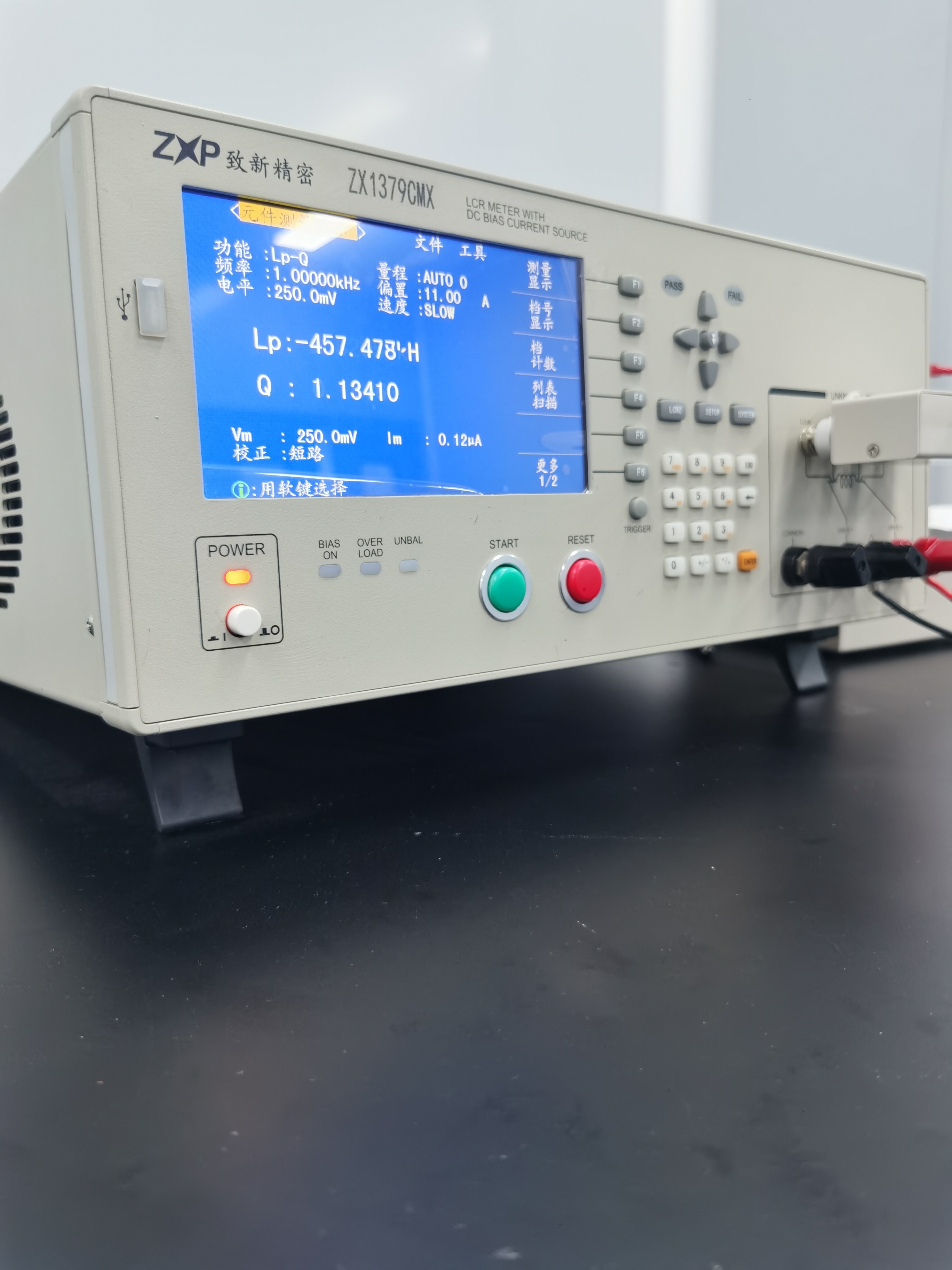
Test conditions: OCL/LX (uH) and LK (uH) were tested at 100KHZ, 0.1V (with 8mA DC Bias for OCL/LX); DCR (Ω) was tested with parasitic parameters of the PCB board included.
Key Data Summary
- Traditional transformer: OCL/LX values ranged from 521 to 621 uH, LK values from 0.13 to 0.18 uH, and DCR values around 0.53-0.55 Ω.
- Inductive LAN transformer: OCL/LX values ranged from 260 to 317 uH, LK values from 0.22 to 0.30 uH, and DCR values around 2.38-2.69 Ω.
- Capacitive LAN transformer: OCL/LX values ranged from 251 to 260 uH, LK values were not applicable (NA), and DCR values around 2.43-2.60 Ω.
Note: In terms of low-frequency parameters, the access inductance and resistance of traditional LAN transformers are superior to those of inductive and capacitive Chip LAN schemes.
Conclusion
Based on the comparative test data of traditional LAN transformers, inductive Chip LAN and capacitive Chip LAN, the following conclusions are drawn:
- Low-frequency parameters: Traditional LAN transformers have better system access parameters than capacitive and inductive Chip LAN schemes.
- High-frequency data:
- Consistency: Inductive and capacitive Chip LAN have better data consistency than traditional LAN transformers.
- Parameter performance: Capacitive and inductive Chip LAN outperform traditional LAN transformers in insertion loss and return loss; traditional LAN transformers are superior in CMRR parameters.
-
- POE performance: Inductive Chip LAN has the same POE performance as traditional transformers, with a maximum power of up to 90W depending on the model; capacitive Chip LAN is generally not used in POE circuits.
- Surge protection: Capacitive Chip LAN offers a low-cost protection solution (supporting up to 6Kv) through self-coupled transformers; traditional LAN transformers and inductive Chip LAN require higher costs, with TVS clamping needed if necessary for 2Kv protection.